

Qair Welcomes Energy Observer to Liverpool and Showcases Growing UK Renewable Energy Ambitions
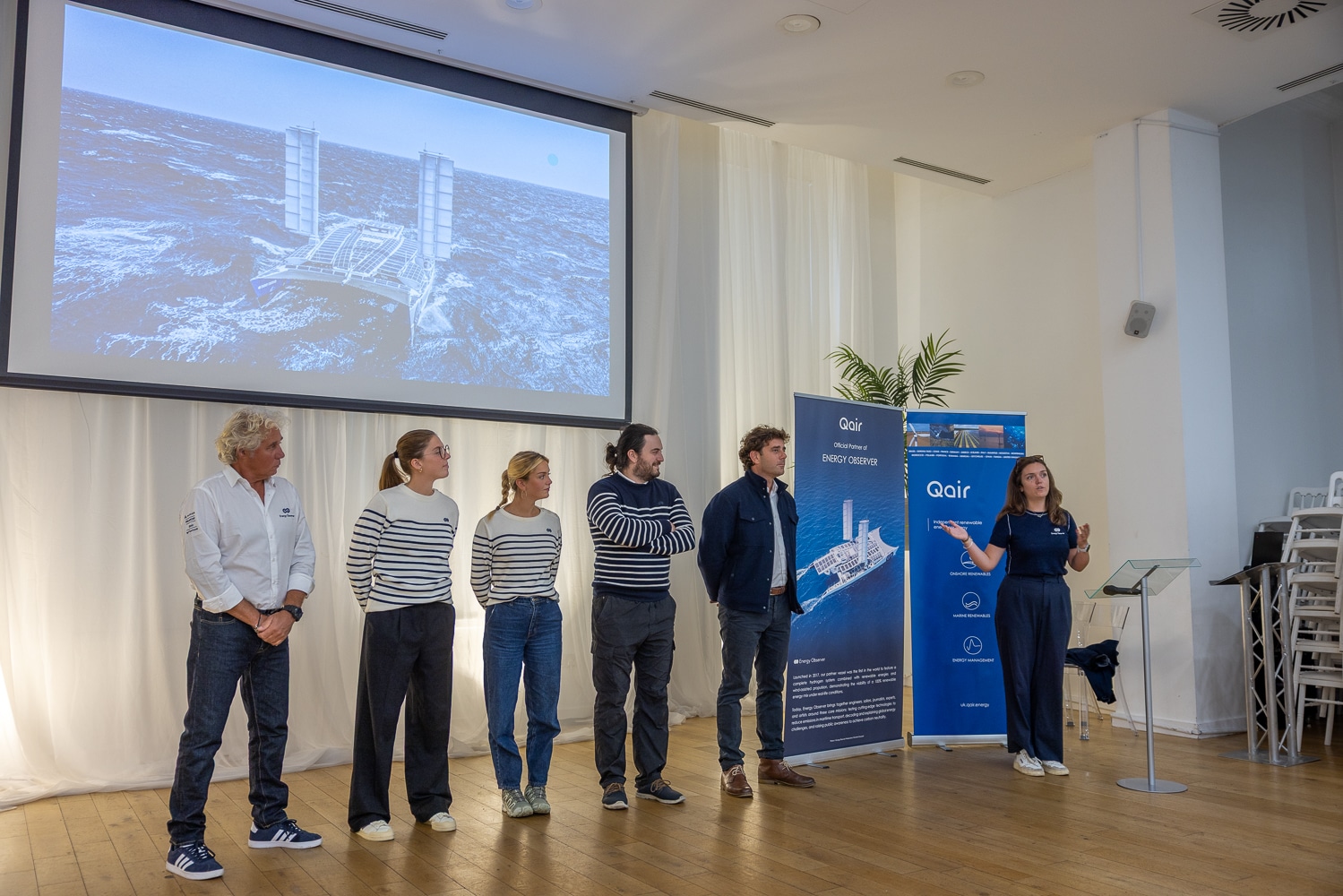
Qair UK recently welcomed pioneer partner vessel Energy observer to Liverpool. The event brought together guests from across the region, with representatives from clean energy, maritime, academic, government, planning and wider business communities, guests all come together to celebrate innovation and collaboration in the transition to a low-carbon future.
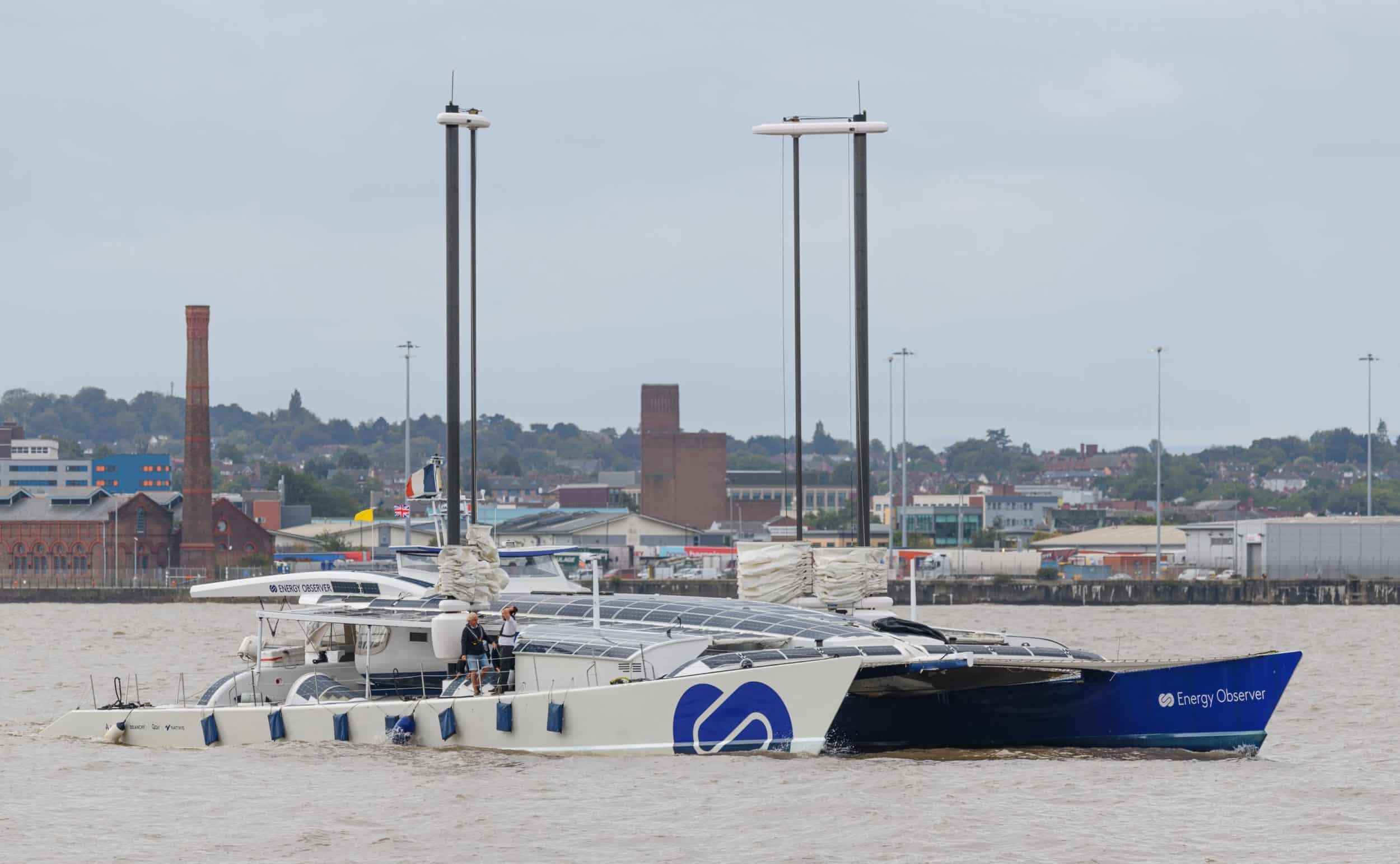
Energy Observer is the world’s first vessel capable of operating autonomously using a mix of renewable energies and hydrogen produced onboard from seawater. Serving as a floating laboratory for clean energy technologies, the vessel has travelled around the world demonstrating practical solutions for reducing emissions and accelerating the energy transition.
Liverpool forms part of Energy Observer’s latest international voyage, following its stopover in Reykjavik, Iceland. The visit continues the vessel’s mission to showcase renewable energy and hydrogen technologies and encourage collaboration around practical solutions to the global energy transition.
Below image provided by Christopher Triggs
Markus Wierenga, CEO of Qair UK: “This event was a fantastic opportunity to highlight what Qair is building across the UK. From solar and floating offshore wind to battery energy storage and grid infrastructure, we’re developing projects and capabilities that will help deliver a more flexible, resilient and low-carbon energy system.”
Qair’s partnership with Energy Observer reflects a shared focus on innovation and the integration of complementary technologies to accelerate the energy transition. While Energy Observer demonstrates how renewable energy generation, storage and hydrogen technologies can work together at sea, Qair is applying the same integrated approach across their growing UK portfolio.
The visit also highlighted Liverpool’s role as a hub for innovation, industry and collaboration. As Qair continues to grow its presence in the city and across the UK, we look forward to building further partnerships and supporting the development of a more flexible, resilient and low-carbon energy system.